
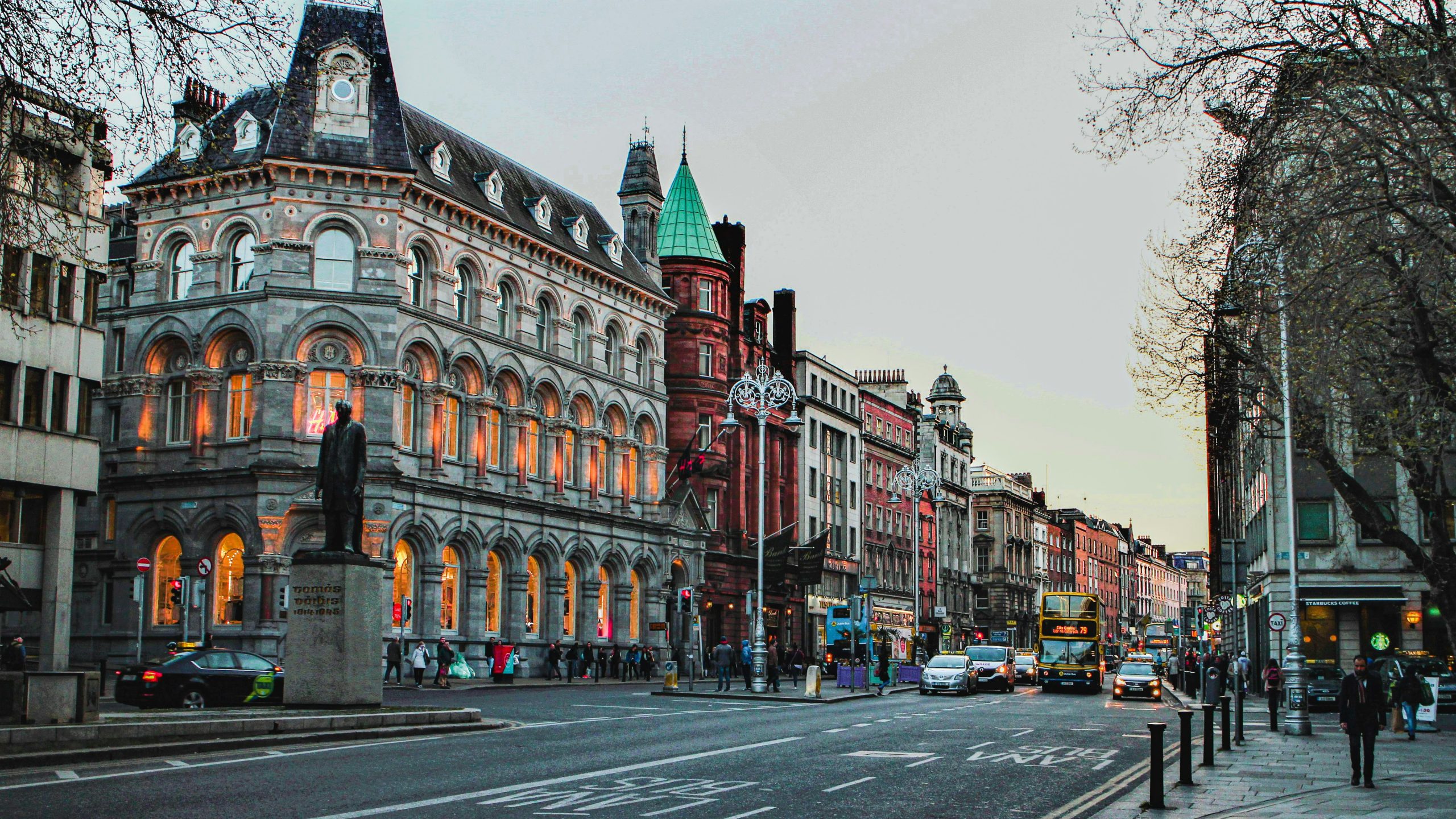
Why Dublin Is Becoming One of Ireland’s Leading Hubs for Dental Services?
For decades, the story around Irish dentistry was one of “drilling and filling,” with complex cases frequently transferred to the United Kingdom or the continent.
However, in the last ten years, a seismic shift has occurred. Dublin has grown from a city of tiny, solo-practitioner practices to a sophisticated hub of multidisciplinary dentistry expertise.
This revolution is more than just upgrading waiting rooms; it is based on a concentration of specialist knowledge, quick adoption of digital workflows, and a shift in patient thinking that favors long-term outcomes over short-term “bargain” solutions.
The Rise of the Multidisciplinary “Super-Clinic”
One of the most significant reasons for Dublin’s dominance is the move toward integrated care. In the past, if a patient needed a dental implant, they might see their general dentist for a consultation, be referred to a periodontist in a different suburb for the surgery, and then return to the original dentist for the crown.
Today, Dublin’s leading clinics, particularly those in areas like the Docklands, Sandyford, and the traditional medical corridors of Dublin 2 and 4, are designed as “one-stop shops.”
Why Integrated Care Matters?
When a prosthodontist, an oral surgeon, and a lab technician work under the same roof, the “biological communication” is vastly superior.
- Reduced Margin for Error: The person placing the implant (the surgeon) and the person designing the tooth that goes on top (the prosthodontist) can discuss the case in person, ensuring the angle of the implant is restorative-driven, not just bone-driven.
- Time Efficiency: For the patient, this removes weeks of back-and-forth between different practices.
- Consistency of Records: All 3D scans, X-rays, and clinical notes exist within one ecosystem.
The Digital Revolution: From “Goop” to High-Speed Scanning
Dublin has become a testing ground for the latest in dental technology. If you walk into a top-tier Dublin clinic today, the traditional “tray and putty” impressions—which were uncomfortable and prone to distortion—are largely a thing of the past.
Intraoral Scanning and CAD/CAM
The adoption of Intraoral Scanners (IOS) like Itero or 3Shape TRIOS has changed the precision of Irish dentistry. These devices capture thousands of images per second to create a perfect 3D model of the mouth.
- Accuracy: Digital impressions eliminate the dimensional instability of physical materials. This means crowns and veneers fit with micron-level precision, reducing the need for “chair-side” adjustments.
- Same-Day Dentistry: Some Dublin hubs now utilize in-house milling machines (CEREC technology). A patient can come in with a broken tooth and leave two hours later with a permanent, high-strength ceramic crown.
3D Guided Surgery
For complex implant cases, Dublin specialists are increasingly using CBCT (Cone Beam Computed Tomography) scans combined with 3D printing.
- The Process: The dentist plans the surgery virtually on a computer. A “surgical guide” is then 3D-printed and placed in the patient’s mouth during the procedure.
- The Benefit: This allows for “keyhole” surgery, which is less invasive, results in significantly less swelling, and avoids critical structures like the mandibular nerve or the maxillary sinus.
The Talent Magnet: The Trinity Effect and Beyond
The Dublin Dental University Hospital at Trinity College Dublin bolsters Dublin’s status. As a world-class teaching hospital, it ensures a constant influx of research-led clinicians into the local market.
However, we are also seeing a “reverse brain drain.” Irish dentists who spent years specializing in London, New York, or Dubai are returning to Dublin to open boutique practices. They bring with them international standards of service and clinical protocols that were previously rare in the domestic market.
Specialization vs. General Practice
There is a growing trend of clinicians limiting their practice to specific fields. In Dublin, you can now find clinics that only perform endodontics (root canals) or only provide clear aligner therapy.
This “niche” approach means the practitioners are performing the same complex procedures thousands of times a year, leading to significantly higher success rates than a generalist who might only perform those tasks occasionally.
The Economics of Choice: Dublin vs. Dental Tourism
For years, many Irish patients travelled to Hungary, Poland, or Northern Ireland for “cheap” dental work. While the upfront costs in Dublin are often higher, the city is reclaiming these patients through a more nuanced understanding of “Value vs. Price.”
The Hidden Costs of Travel
As an expert in the field, I often see the “Friday afternoon emergency” from a patient who had a full mouth of veneers done abroad. If a veneer chips or an implant becomes inflamed, local dentists are often hesitant to intervene in another doctor’s work due to liability and unknown material brands.
| Factor | Dublin Specialist Clinic | “Dental Tourism” (Overseas) |
| Initial Cost | Higher (€800 – €1,200 per crown) | Lower (€350 – €600 per crown) |
| Follow-up Care | Immediate and accessible | Requires international flights |
| Regulation | Dental Council of Ireland oversight | Varies by jurisdiction |
| Materials | Traceable, high-end brands (e.g., Straumann, Nobel Biocare) | Sometimes generic or “white-label.” |
| Long-term Risk | Low; Continuity of care | High; “Ghosting” risk if complications arise |
Trade-offs: When Dublin Makes More Sense?
If you require a single filling or a basic cleaning, the price difference between Dublin and elsewhere is negligible. When you move into the territory of Dental Implants or Full Arch Rehabilitation (All-on-4), the “Dublin Premium” acts as an insurance policy.
The ability to return to the same clinician for a 6-month check-up is vital for the 10-year survival rate of an implant.
Common Mistakes When Choosing a Dublin Dentist
Even in a hub of excellence, patients often make the same three errors:
- Chasing the “Cheapest Quote” for Invisalign: Clear aligners are a tool, not a product. A “Diamond Provider” in Dublin has the experience to move teeth safely; a cheaper, less-experienced provider may result in a “posterior open bite” where your back teeth no longer touch.
- Ignoring Gum Health Before Aesthetics: Many seek “Turkey Teeth” (heavy crown preps) while ignoring underlying Periodontal (gum) disease. Leading Dublin clinics will insist on gum health before any cosmetic work—this is a sign of a high-quality practice.
- Not Asking About the Lab: Ask your dentist, “Where is this crown being made?” High-end Dublin dentists use local Irish laboratories or top-tier European labs. Lower-cost practices may outsource to mass-production labs in the Far East, where the quality of the ceramic layering can be inferior.
The Role of Regulatory Standards
One cannot overlook the influence of the Health Information and Quality Authority (HIQA) and the Dental Council of Ireland. Dublin practices are under intense scrutiny regarding cross-infection control and radiation safety.
For the patient, this means:
- Sterilization Transparency: Modern clinics often have “glass-walled” sterilization rooms, showing patients exactly how instruments are processed.
- Continual Professional Development (CPD): Irish-registered dentists are legally required to keep their skills updated, ensuring that the “latest techniques” aren’t just marketing speak, but clinically verified methods.
What to Expect: Timelines and Reality Checks
If you are looking to tap into Dublin’s dental hub for a “smile makeover,” here is a realistic roadmap:
- Consultation & Digital Scan: 1 hour. This often includes “Smile Design,” where you can see a digital simulation of your final result before any work begins.
- Trial Smile (The Mock-up): 1-2 weeks later. In Dublin’s top clinics, you can actually “test drive” your new teeth with a temporary material to check speech and aesthetics.
- Final Fit: 2 weeks after the mock-up.
For Dental Implants, the timeline is longer. Expect a 3-to-6 month healing period (osseointegration) between the implant placement and the final tooth. Any clinic promising a permanent tooth in 24 hours without a long-term plan is likely cutting corners on biological healing.
Is the Dublin Premium Worth It?
Dublin has effectively established itself as a center for “conscious dentistry.” The most conservative treatment is now the focus, not the most aggressive. Whether it’s utilizing minimally invasive bonding instead of heavy veneers or employing 3D technology to salvage a failing tooth rather than extracting it, the city’s dentists are looking ahead 20 years.
If you are a resident or visitor looking for care, look behind the flashy branding. Seek out practices that invest in their own in-house technology, hire specialists on-site, and are open about their laboratory sources.